Strong Welds Help Buildings, Frames, and Metal Parts Stay Safe and Last Longer
General welding improves structural integrity by joining metal parts into one stronger unit. A good weld helps spread weight, resist movement, and reduce weak points. This matters in beams, railings, support frames, trailers, gates, and many other metal structures. When the weld is done the right way, the final piece is more stable, more durable, and better able to handle daily stress.
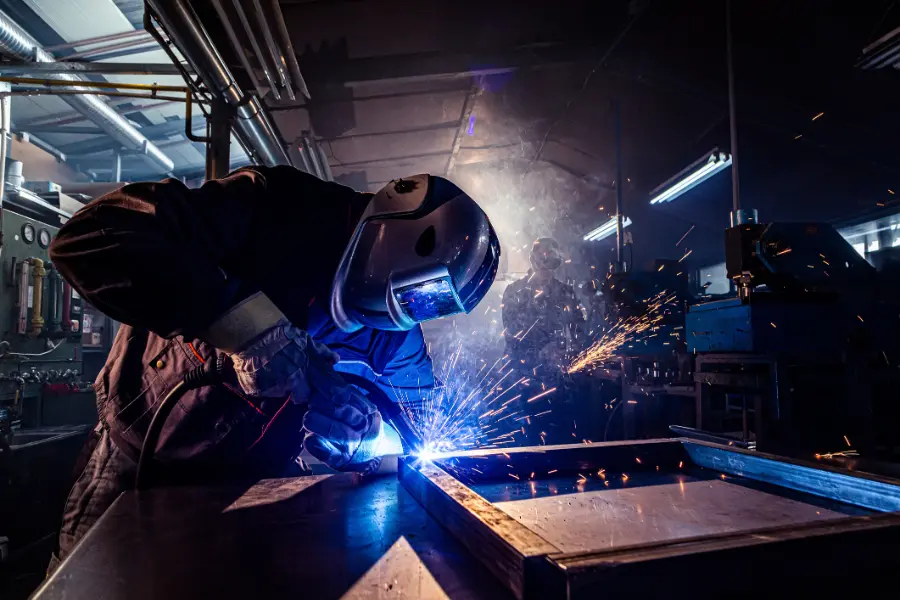
Quick Answer
Structural integrity means a metal part or structure can carry weight and hold its shape without failing. general welding supports that goal by creating solid joints between metal pieces. These joints help stop shifting, cracking, and separation. In many cases, a welded connection is stronger than a bolted joint because it creates a more direct bond between parts.
Welding also helps remove gaps where stress can build up. When force moves through a frame, it travels across the welded areas. If those welds are clean and strong, the frame can handle more use over time. This is one reason welded steel is common in stairs, platforms, equipment supports, and repair work.
What You Need Before Starting
Before any welding job begins, the setup matters. The metal type, thickness, shape, and load needs all affect the result. A small decorative gate does not need the same approach as a support beam or a trailer frame. The planned use of the finished item helps guide the welding method and material choice.
Surface prep is also a big part of strength. Dirt, rust, paint, oil, and moisture can weaken a weld. Clean metal gives better fusion and a more even bead. Joint design matters too. A butt joint, lap joint, or fillet weld may each work better in different jobs. This is where service planning in a broader service category can help match the weld style to the job.
- Clean metal surfaces
- The right filler material
- The correct heat setting
- A joint design that fits the load
- Proper safety gear and tools
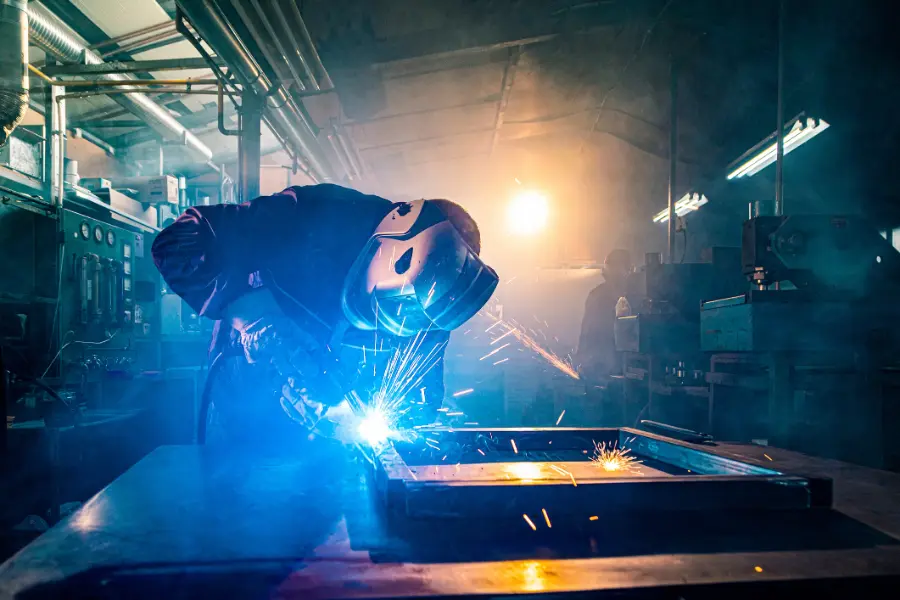
Step-by-Step Process
A strong welded structure usually follows a simple process. Each step supports better strength and longer life.
- Inspect the metal for cracks, rust, bends, or damage.
- Measure and fit each piece so the joint lines up well.
- Clean the weld area down to bare metal.
- Choose the right welding method for the metal and job.
- Set the correct heat and wire or rod size.
- Tack weld parts in place to hold alignment.
- Complete the weld with steady speed and even coverage.
- Check the weld for gaps, undercut, porosity, or weak spots.
- Grind or finish the area only if the job calls for it.
Each step helps the final structure stay solid. If parts are out of line, the weight may not spread evenly. If the weld does not reach deep enough into the joint, the connection may fail under pressure. Good welding is not just about melting metal. It is about building a joint that can handle real work.
Common Mistakes to Avoid
Many weak welds come from a few common problems. One big issue is poor surface prep. Rust and paint can trap gas and lead to holes in the weld. Another issue is using the wrong heat. Too little heat may lead to weak fusion. Too much can warp the metal or burn through thin sections.
Bad fit-up is another common mistake. If there is too much gap between parts, the weld may not hold as well. Rushing the weld can also lead to uneven beads and missed areas. Some people focus only on how the weld looks from the outside. A smooth bead can still be weak if the weld does not fuse well inside the joint.
Using the wrong weld size is also a problem. A weld that is too small may not carry the load. A weld that is too large can add heat stress and waste material. The best approach matches the weld to the actual job.
When to Call a Professional
Some metal work is simple, but structural welding is different. If the welded part supports weight, people, vehicles, or equipment, a professional is often the safer choice. This includes building supports, handrails, stairs, heavy gates, equipment bases, and repair work on cracked frames.
A professional can check the metal condition, choose the right process, and spot signs of stress that others may miss. They can also help with repairs after impact damage, corrosion, or long-term wear. In many cases, the goal is not just to join metal. The goal is to restore strength and safe performance.
If the structure already shows bending, loose joints, rust around seams, or visible cracking, it is smart to get expert help. Those signs can point to a deeper issue in the frame or load path. A proper fix can stop the damage from spreading.
Final Recommendation
general welding plays a big role in making metal structures stronger and more reliable. It helps tie parts together, reduce weak points, and support better load transfer. When the prep, fit, and weld quality are right, the result is a structure that lasts longer and performs better in daily use.
For simple projects, basic welding may work well. For structural jobs, repairs, or safety-related metal work, skilled service makes a big difference. A strong weld is not just about appearance. It is about strength where it counts most.
Get Help With Your Welding Project
If you need help with metal repairs or structural welding in Terrell, TX, reach out for guidance on the right next step. Our team at Jose Sanchez Welding and Fabrication can inspect the job, explain your options, and provide dependable service. Call us at (972) 750-2716 to talk with us about your project.