Why Custom Metal Work Matters in Today’s Buildings and Products
Sheet metal fabrication plays a big role in modern design because it helps turn ideas into real parts that are strong, neat, and made to fit. It is used in buildings, kitchens, stores, offices, and many kinds of products. Designers and builders use it to make clean lines, save space, support safety, and create parts that last. In many projects, it also helps speed up work because parts can be cut, bent, and joined to match exact plans.
Quick Answer
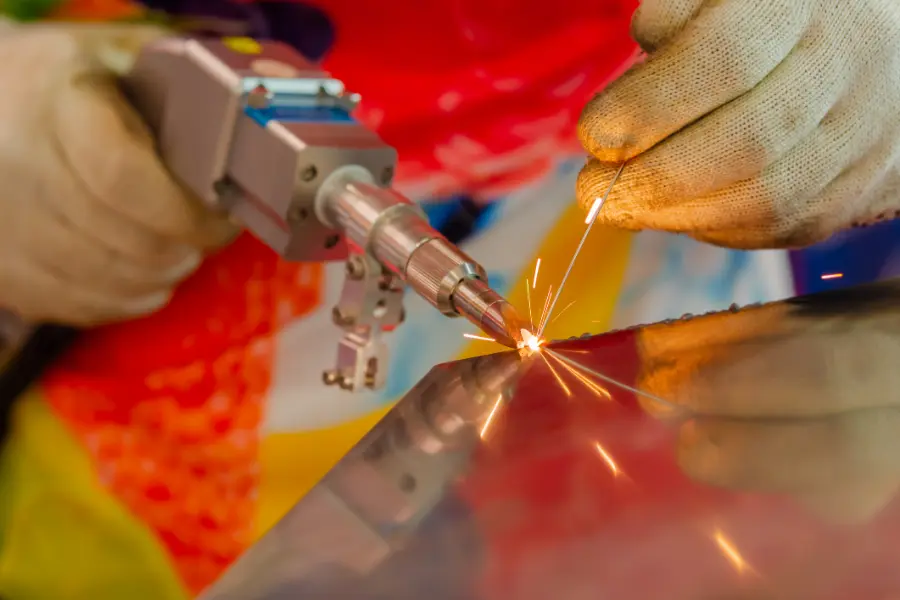
When people ask about the importance of sheet metal fabrication in modern design, the short answer is simple. It gives designers freedom. It also gives builders parts that are tough, useful, and easy to repeat. From wall panels and ductwork to trim, brackets, cabinets, and covers, metal forming helps shape the look and function of a space. Good fabrication supports both beauty and everyday use.
What You Need Before Starting
Before any project begins, a clear plan helps a lot. Modern design often depends on exact sizes and clean finishes. That means the fabrication team needs good drawings, correct measurements, and a clear goal for the part. The service category keyword may be blank here, but the job still needs a clear scope so every piece matches the space where it will go.
It also helps to think about the metal type, thickness, finish, and where the part will be used. A piece made for an indoor lobby may need a smooth look. A piece made for an outdoor area may need better resistance to rust and wear.
Step-by-Step Process
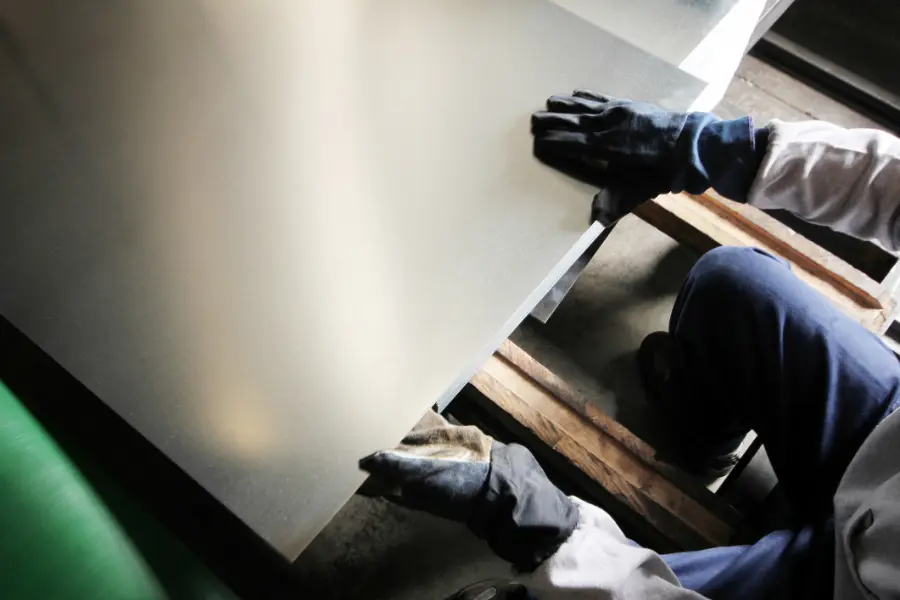
Most modern design projects follow a simple path from idea to finished part. While each job is different, the process often looks like this:
- Review the design goals and drawings.
- Measure the space or study the product layout.
- Choose the right metal for strength, weight, and finish.
- Cut the metal to the needed size.
- Bend or shape the metal for the final form.
- Join parts with welding, fastening, or other methods.
- Finish the surface for looks and protection.
- Test the fit before final install or delivery.
This process matters because modern design often leaves little room for error. A small mistake in measuring or bending can change the whole look of a panel, trim piece, or housing.
Common Mistakes to Avoid
Many design problems start before the first cut is made. One common mistake is picking a metal based only on price or appearance. A shiny finish may look good in a sample, but it may not work well in a busy space. Another mistake is skipping real site measurements. Plans can change, and even a small shift in a wall or frame can affect the fit.
People also run into trouble when they forget about use. A part may look great on paper but fail if it needs to hold weight, resist heat, or handle weather. Modern design should never focus only on looks. It should work well every day.
- Do not guess measurements.
- Do not ignore finish and coating needs.
- Do not choose thin metal when strength matters.
- Do not forget access for cleaning or repairs.
- Do not treat custom metal parts like one-size-fits-all pieces.
When Design Teams Call a Professional
Some small metal parts are simple. Many are not. A professional is often needed when the project has tight tolerances, custom shapes, special finishes, or structural needs. This is common in commercial interiors, branded spaces, restaurants, offices, and custom homes. If the part must match other materials like glass, wood, or stone, skilled fabrication becomes even more valuable.
Professional help is also smart when there are safety rules, building codes, or large production runs. A trained team can help avoid waste, spot design issues early, and make parts that are easier to install. That saves time and cuts down on jobsite problems.
How It Supports Modern Design Goals
Modern design often aims for clean lines, open space, and simple forms. sheet metal fabrication supports these goals well. It can create slim profiles, hidden supports, and smooth faces that fit the style many people want today. It also works well with other materials, so designers can mix metal with wood, glass, tile, or concrete.
Another reason it matters is repeatability. If a project needs many matching parts, fabricated metal can help keep the look consistent. This is useful for retail spaces, apartment buildings, offices, schools, and clinics. A repeated design feature can stay uniform from one room to the next.
Best Fit by Real-World Use
Different spaces use fabricated metal in different ways. In a commercial kitchen, it may be used for counters, backsplashes, and vent hoods. In an office, it may appear in trim, wall panels, and custom brackets. In a home, it may show up in stair parts, fireplace surrounds, shelving, or decorative accents. In product design, it can form covers, enclosures, and support parts.
These uses show why sheet metal fabrication is not just about making metal parts. It is about solving design problems in a smart and clean way. A well-made part can improve function, support safety, and give a finished space a polished look.
Final Recommendation
For modern design to work well, each part needs to fit the plan and the space. Good metal work helps make that happen. It gives projects strength, style, and flexibility. If a design includes custom details, repeated parts, or special performance needs, fabrication is often a smart choice. In Terrell, TX, many projects benefit from careful planning before production starts. At Jose Sanchez Welding and Fabrication, we can review your ideas, explain your options, and help you plan the right next step. Call us at (972) 750-2716 to talk with our team.