Creative Building Designs Can Be Stronger, Lighter, and More Efficient
Architects use sheet metal fabrication in many smart ways to shape modern buildings. It can help create bold exteriors, custom wall panels, sun shades, trim details, stair parts, and roof features that look clean and last a long time. It also gives designers more control over size, shape, and finish. In places with changing weather, including Terrell, TX, metal building parts can also help with durability and easier upkeep.
Quick Answer
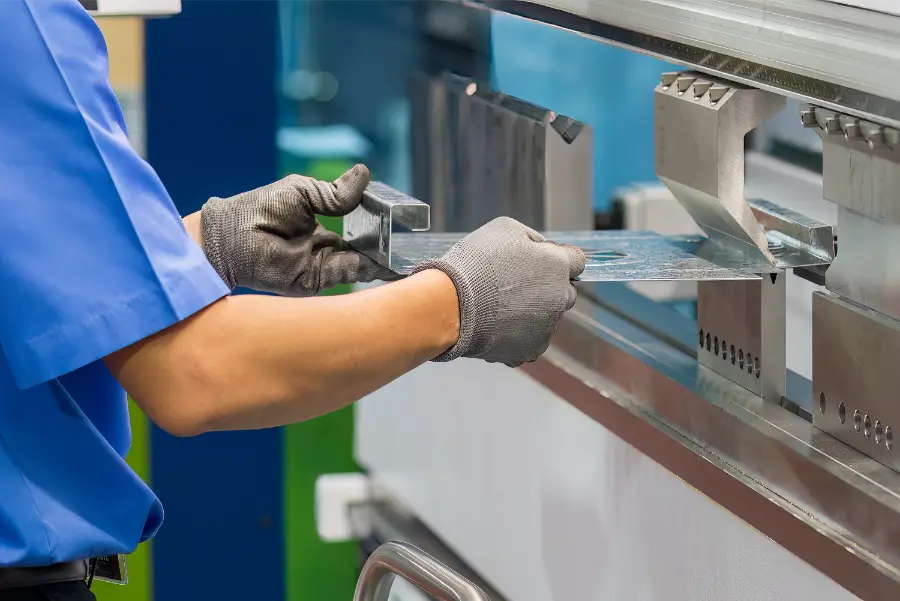
One of the biggest reasons architects choose sheet metal fabrication is flexibility. Flat metal sheets can be cut, bent, formed, and joined into custom parts for both style and function. This makes it useful for eye-catching facades, curved accents, perforated screens, column covers, canopies, and interior features. Good planning matters because the right design must match the building’s load needs, drainage, air flow, and finish goals.
What You Need Before Starting
Before a project begins, the design team should know what the metal part needs to do. Some pieces are mostly decorative. Others help with shade, weather control, privacy, or structural support. The team should also choose the right metal, like aluminum, stainless steel, copper, or galvanized steel. Even without a service category keyword, clear project goals help avoid delays and rework later.
It also helps to gather a few basic details early:
- Building size and shape
- Indoor or outdoor use
- Exposure to rain, sun, and wind
- Finish and color goals
- Attachment method and support points
- Local code or safety needs
Step-by-Step Process
Most architectural metal projects follow a simple path from concept to installation. When each step is handled well, the finished result looks better and fits the building the right way.
- Set the design goal. decide if the feature is for shade, style, screening, trim, or weather protection.
- Pick the metal type. different metals offer different looks, weight, and corrosion resistance.
- Create drawings and shop details. these plans show bends, cuts, fasteners, seams, and sizes.
- Build a mockup if needed. this helps test the look, fit, and finish before full production.
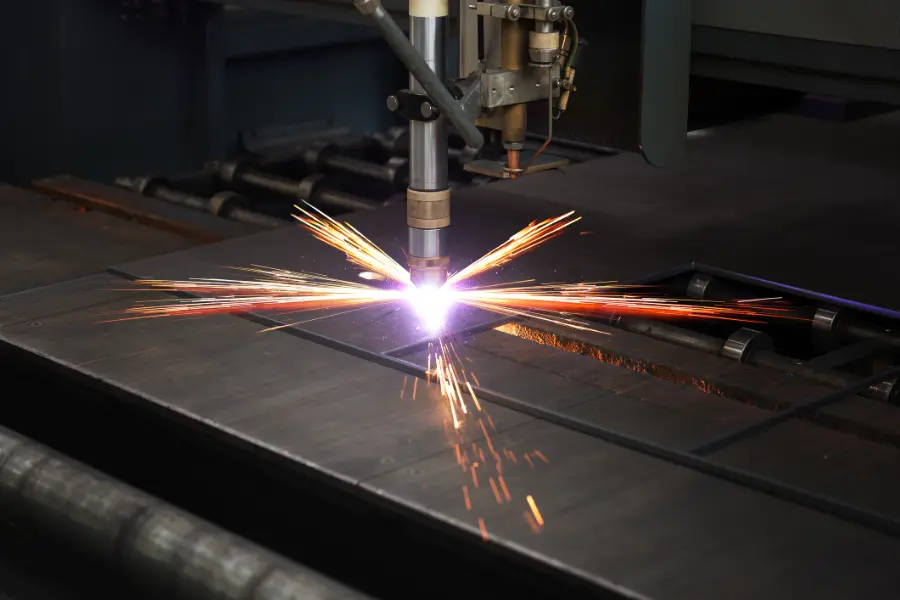
- Start sheet metal fabrication. the metal is cut, formed, punched, welded, or assembled to match the design.
- Apply finishes. powder coating, brushing, polishing, or patina work may be added.
- Install and inspect. each piece should line up well, drain properly, and stay secure.
Common Mistakes to Avoid
A creative metal feature can fail if small details are missed. one common mistake is choosing a metal based only on looks. Some metals work better near moisture or salty air. Another mistake is ignoring expansion and movement. Metal expands and contracts with heat, so joints and fasteners need room to work. Poor drainage is another issue. Water that sits behind panels can stain surfaces or lead to damage over time.
Designers also run into trouble when they skip coordination with other trades. A canopy, screen, or facade panel may look great on paper, but it still has to fit with framing, waterproofing, lighting, and access points. If those items are not planned together, changes can get expensive fast.
When to Call a Professional
Simple trim pieces may be easy to plan, but larger architectural features need expert help. A professional should be involved when the design includes curved forms, custom perforations, heavy wall panels, roof edges, drainage paths, or detailed support systems. Expert fabrication teams can also help if the project needs tight tolerances or a special finish that must match existing building elements.
Professional support is also smart when the metal feature serves more than one purpose. For example, a sun screen may also support branding, improve privacy, and reduce heat gain. In that case, design, engineering, and fabrication all need to work together from the start.
Innovative Uses in Modern Architecture
Today’s buildings use sheet metal fabrication in ways that go far beyond gutters and flashing. Perforated panels can soften sunlight while adding texture to a plain wall. Folded metal rainscreens can make a building look sharp and modern. Laser-cut screens can create custom patterns for schools, offices, apartments, and public spaces. Metal ceilings and wall panels can also improve interior design with clean lines and long-lasting finishes.
Another growing use is in mixed-use and commercial spaces where branding matters. Custom entry canopies, decorative fins, and feature walls can give a building a strong visual identity. On homes, architects may use formed metal accents for chimney wraps, porch details, privacy screens, and planter surrounds. These parts are often slim, neat, and easy to pair with glass, wood, stone, or concrete.
Best Fit by Project Type
Different building goals call for different metal solutions. The best choice depends on how the feature will be used and how much wear it will face.
- For exterior facades: rainscreen panels, standing seam accents, and perforated cladding work well
- For shade control: louvers, fins, and screen panels are popular options
- For entrances: canopies, column covers, and trim packages create a polished look
- For interiors: ceiling panels, wall systems, and decorative dividers add depth
- For custom details: coping, flashing, and edge trim help tie the whole design together
Final Recommendation
If a project needs both performance and style, sheet metal fabrication can be a strong choice in architecture. It works well for bold visual features and for practical building parts that need to last. The best results come from early planning, smart material selection, and careful installation. If you are planning a new build or update in Terrell, TX, it helps to review design goals, exposure conditions, and support needs before production begins.
Get Help With Your Project
If you are planning an architectural metal feature in Terrell, TX, we can help you sort through design ideas and practical options. At Jose Sanchez Welding and Fabrication, we build custom solutions that fit real project needs and clean visual goals. Call us at (972) 750-2716 to talk with our team about your next project.