Strong Metal Projects Depend on Solid Welds at Every Stage
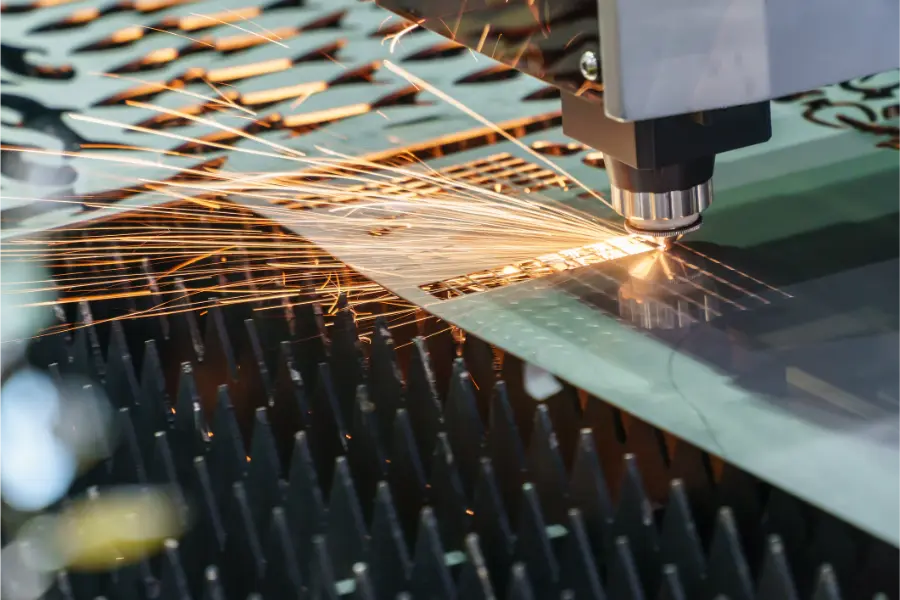
General welding is called the backbone of metalwork because it joins, repairs, and strengthens metal parts used in everyday life. From gates and frames to trailers and support beams, good welds help metal pieces act like one solid unit. Without this work, many metal products would be weak, loose, or unsafe. In simple terms, metalwork depends on clean cuts, good fit-up, and strong welding to hold everything together.
Quick Diagnosis Summary
When people ask why general welding matters so much, the short answer is simple: most metal projects fail at the joints first. A metal sheet, pipe, or bracket may be strong on its own, but the weak point is often where two pieces meet. general welding solves that problem by bonding those pieces together in a way that can handle weight, movement, heat, and daily wear. This applies to small repairs and large builds alike.
Common Symptoms
You can often tell when a metal item needs welding work by looking for a few basic signs. A cracked joint, a loose frame, or a broken bracket is usually easy to spot. Other signs show up more slowly. A fence may start to lean. A trailer ramp may shake more than usual. A handrail may feel less firm over time. These are all signs that the connection points are wearing down.
In many cases, the metal itself is not the whole problem. The issue is that the welded area has taken stress for years. That is why general welding is so central to metal repair and metal fabrication. It restores strength right where the load is carried most.
Likely Causes
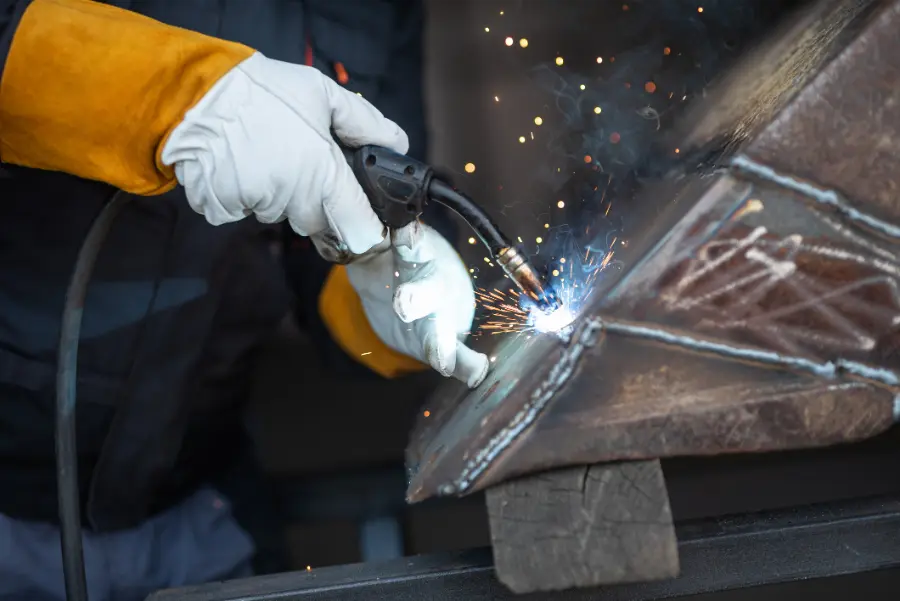
There are a few simple reasons welded joints fail or need repair. Heavy use is one. Weather is another. Rust can eat away at the metal near the seam. Poor fit between parts can also lead to weak welds. If the wrong welding method is used, the bond may not hold up under pressure.
Heat also plays a big part in metalwork. Too little heat can leave a weak joint. Too much heat can burn through thin metal or warp it. Dirt, paint, oil, and rust can also keep the weld from bonding well. That is why prep work matters just as much as the weld itself. Even in service category work, the basic rule stays the same: the joint must be clean, well placed, and properly welded.
What to Check First
Before any repair or build starts, it helps to check the metal part closely. This saves time and can prevent repeat problems later. A simple inspection can show if the issue is surface-level or deeper in the structure.
- Look for cracks along the seam
- Check for rust around the joint
- See if the metal pieces have shifted out of line
- Test for wobble or movement
- Check if the metal is too thin from wear
- Look for old welds that may have failed
These checks help show whether the item needs a small repair, a full re-weld, or part replacement. They also show why general welding is tied to safety, not just appearance. A smooth-looking project still needs sound joints underneath.
Safe Fixes Vs Pro-Level Fixes
Some metal problems seem minor at first. A small crack in a lawn tool or a detached hinge may look easy to fix. In a few cases, a basic repair may be possible if the part is low-risk and the person has the right gear. But many jobs call for more skill than people expect. A poor weld can break again fast, or it can hold just long enough to create a bigger problem later.
Pro-level welding work is often the better choice when the item carries weight, supports people, or deals with motion. Think about stair rails, trailer parts, structural frames, and equipment supports. These jobs need good prep, proper weld type, and the right heat control. general welding is not just melting metal together. It is knowing how different metals react and how to build a joint that lasts.
- Clean the area fully
- Remove weak or damaged metal
- Fit the parts in proper alignment
- Choose the right welding process
- Apply the weld with steady control
- Inspect the finished joint for strength and shape
That process is what gives metalwork its durability. It is also why so many industries rely on welding every day.
Prevention Tips
Many welding repairs can be delayed or reduced with regular care. Clean metal lasts longer. Dry storage helps slow rust. Fast inspections can catch small cracks before they spread. If a gate, rack, or frame starts moving more than usual, that is a good time to get it checked.
It also helps to avoid overloading metal items. A shelf built for light storage should not hold engine parts. A trailer gate should not be slammed if the hinge area is already worn. Small habits like these protect the joints and extend the life of the whole piece.
Another smart step is getting repairs done early. Waiting often turns a small weld repair into a larger rebuild. Since the joints are where force gathers, early attention can keep the rest of the metal from getting damaged too.
Final Recommendation
If you are dealing with cracked metal, weak joints, or a project that needs lasting strength, quality welding work makes the biggest difference. general welding supports repair, fabrication, and long-term performance across many types of metalwork. In Terrell, TX, we can help inspect worn parts and point out problem areas before they get worse. Contact Jose Sanchez Welding and Fabrication to talk with us about your project, or call (972) 750-2716 to schedule service with our team.